español
 English
 français
 Deutsch
 italiano
 русский
 português
 العربية
 Nederlands
 한국의
한국의 Romania
 Bulgaria
 Melayu

A medida que se aceleran la transición energética global y los esfuerzos de descarbonización, la energía del hidrógeno está evolucionando rápidamente de una materia prima industrial a un combustible para el consumidor. A diferencia de los combustibles tradicionales vehículo de pila de combustible En comparación con las rutas que dependen en gran medida de estaciones de repostaje de hidrógeno a gran escala, la combinación de generadores de hidrógeno in situ y vehículos eléctricos propulsados por hidrógeno (bicicletas eléctricas de hidrógeno) ofrece una solución de transporte urbano muy viable que funciona independientemente de la infraestructura centralizada.
Aprovechando la tecnología madura de electrólisis de agua pura con membrana de intercambio de protones (PEM) y sistemas de pilas de combustible de alta eficiencia, in situ generadores de hidrógeno Este sistema puede producir hidrógeno con una pureza del 99,99 % en tiempo real para repostar directamente bicicletas eléctricas de hidrógeno. Este artículo describe sistemáticamente la arquitectura técnica de esta solución de movilidad de hidrógeno de circuito cerrado en tres dimensiones: principios técnicos fundamentales, parámetros operativos e integración y optimización del sistema.
El principal obstáculo para la adopción del hidrógeno tradicional siempre han sido los altos costos de almacenamiento y transporte, así como la baja densidad de estaciones de servicio. Los generadores de hidrógeno PEM compactos evitan por completo estos desafíos al producir hidrógeno in situ utilizando únicamente agua y electricidad.
• Independencia de fuentes externas de hidrógeno: Funciona utilizando únicamente una fuente de alimentación estándar de 220 V y agua pura.
• Repostaje directo a baja presión: Proporciona una presión de salida de ≤ 35 bar, lo que permite el repostaje directo de los depósitos de hidrógeno a baja presión a bordo.
• Producción bajo demanda: Genera hidrógeno según se necesite, eliminando los riesgos de seguridad asociados con el almacenamiento de hidrógeno a alta presión.
Los generadores compactos de hidrógeno comerciales utilizan la tecnología de electrólisis de agua PEM, que comparte su origen tecnológico con los inhaladores de hidrógeno de grado médico, diferenciándose únicamente en el caudal y las presiones nominales.
| Componente | Materiales / Especificaciones | Descripción funcional |
| Membrana de Intercambio de Protones (PEM) | Serie Nafion de DuPont | Permite selectivamente el paso de H+ (protones) mientras bloquea el H2 y el O2; presenta alta resistencia a la presión y una larga vida útil. |
| Ánodo | metal iridio (Ir) | Cataliza: 2H₂O → O₂↑ + 4H⁺ + 4e⁻; exhibe una excepcional resistencia a la corrosión. |
| Cátodo | Pt/C (Platino sobre Carbono) | Cataliza:4H⁺ + 4e⁻ → 2H₂↑ ; garantiza una producción de hidrógeno de alta pureza. |
Durante su funcionamiento, el sistema solo requiere agua pura como materia prima, sin aditivos químicos. El proceso de electrólisis produce únicamente hidrógeno y oxígeno. Tras pasar por un sencillo separador de agua y gas, el sistema genera hidrógeno con una pureza ≥ 99,99 %, que puede utilizarse directamente en pilas de combustible para generar electricidad.
| Caudal de hidrógeno | 1000 mL/min |
| Pureza del hidrógeno | ≥ 99,99% |
| Presión de salida del hidrógeno | 0–35 bar |
| Fuente de alimentación | 220 V / 50 Hz |
| Requisito de calidad del agua (conductividad) | ≤ 1 μS/cm |
| Consumo de energía | ≤ 500 W |
| Capacidad del tanque de agua | 2,5 L |
| Dimensiones generales (largo × ancho × alto) | 500 mm × 400 mm × 554 mm |
El generador de hidrógeno viene de serie con una boquilla de repostaje de conexión rápida compatible con los depósitos de hidrógeno de baja presión más comunes (presión de funcionamiento ≤ 35 bar). El proceso de repostaje utiliza un mecanismo automático de cierre por presión diferencial.
• Mecanismo de parada automática: El flujo de hidrógeno se detiene automáticamente una vez que la presión dentro del recipiente se iguala con la presión de salida del generador.
A continuación se detallan las especificaciones clave de la bicicleta eléctrica híbrida de hidrógeno y litio, junto con el generador de hidrógeno:
| Indicador clave | Presupuesto |
| Potencia nominal del motor | 350 W |
| Velocidad máxima 16 pulgadas | 25 km/h |
| Alcance máximo | 80 km (H2 + Híbrido con batería de litio) |
| Especificaciones del controlador | Protección contra subtensión: 41,5 ± 0,5 V; Protección contra sobrecorriente: 15 ± 1 A |
| Nivel de ruido | ≤ 60 dB |
| Diámetro de la rueda | 16 pulgadas |
| Distancia entre ejes (distancia entre ejes) | 1170 mm |
| Dimensiones generales (largo × ancho × alto) | 1600 mm × 640 mm × 1050 mm |
| Peso | Aprox. 60 kg |
El generador de hidrógeno incorpora un sensor de presión integrado:
• Desconexión de seguridad: Apaga automáticamente la generación de gas y aísla la línea de gas una vez que la presión alcanza un límite superior preestablecido (por ejemplo, 30 bar).
La electrólisis del agua es una reacción exotérmica. El funcionamiento prolongado eleva la temperatura del electrolizador, lo que puede provocar:
1. Degradación acelerada del conjunto de electrodos de membrana (MEA).
2. Disminución de la pureza del hidrógeno (debido al aumento del contenido de vapor de agua).
Para solucionar esto, el sistema incorpora un sistema de refrigeración de doble etapa:
• Refrigeración por aire forzado: Los ventiladores internos de alta velocidad disipan activamente el calor del electrolizador.
• Circuito de refrigeración por agua: La circulación de agua pura elimina el exceso de calor.
Resultado: Este sistema de refrigeración de doble etapa mantiene el electrolizador dentro de su rango óptimo de funcionamiento, entre 55 °C y 65 °C.
4.3 Control inteligente y monitorización de la calidad del agua
• Monitorización de la calidad del agua: Realiza un seguimiento continuo y en tiempo real de la conductividad del agua pura, activando una alerta para sustituir el agua cuando la conductividad supera el umbral de seguridad.
• Sistema de propulsión híbrido: La bicicleta eléctrica adopta un sistema híbrido en el que la pila de combustible sirve como fuente de energía principal, complementada por una batería de iones de litio:
• Navegación a velocidad constante: La pila de combustible (con una potencia nominal de 200–300 W) proporciona energía continua, manteniendo velocidades de 15–25 km/h.
• Funcionamiento transitorio: Durante el arranque, la aceleración y la subida de pendientes, la batería de litio proporciona instantáneamente la máxima potencia de salida (≤ 500 W).
• Sistema de gestión de energía (EMS): El controlador integrado supervisa el estado de carga (SOC) de la batería de litio en tiempo real y equilibra dinámicamente la distribución de energía entre la pila de combustible y la batería.
Este sistema integrado establece un ciclo cerrado completo, desde la generación de hidrógeno in situ hasta el repostaje directo a baja presión y, en última instancia, la movilidad híbrida de hidrógeno y litio. Funcionando con una toma de corriente de 220 V y agua pura, el generador produce hidrógeno de alta pureza (99,99 %), repostando el vehículo directamente a una presión baja y segura de 35 bares. La bicicleta eléctrica híbrida utiliza una sofisticada estrategia de reparto de energía (pila de combustible para la conducción normal y batería de litio para la alimentación transitoria), logrando una impresionante autonomía de 80 km y una velocidad máxima de 25 km/h, cumpliendo plenamente con las normas de seguridad nacionales.
El mayor valor de esta solución reside en su total independencia de la infraestructura externa de repostaje de hidrógeno. Al cambiar el paradigma de la movilidad del hidrógeno, pasando de la "espera de infraestructura" a la "autogeneración y el autoconsumo", presenta la vía más pragmática para comercializar la energía del hidrógeno ante la actual escasez de estaciones de repostaje.
Preguntas frecuentes:
¿Quiénes somos?
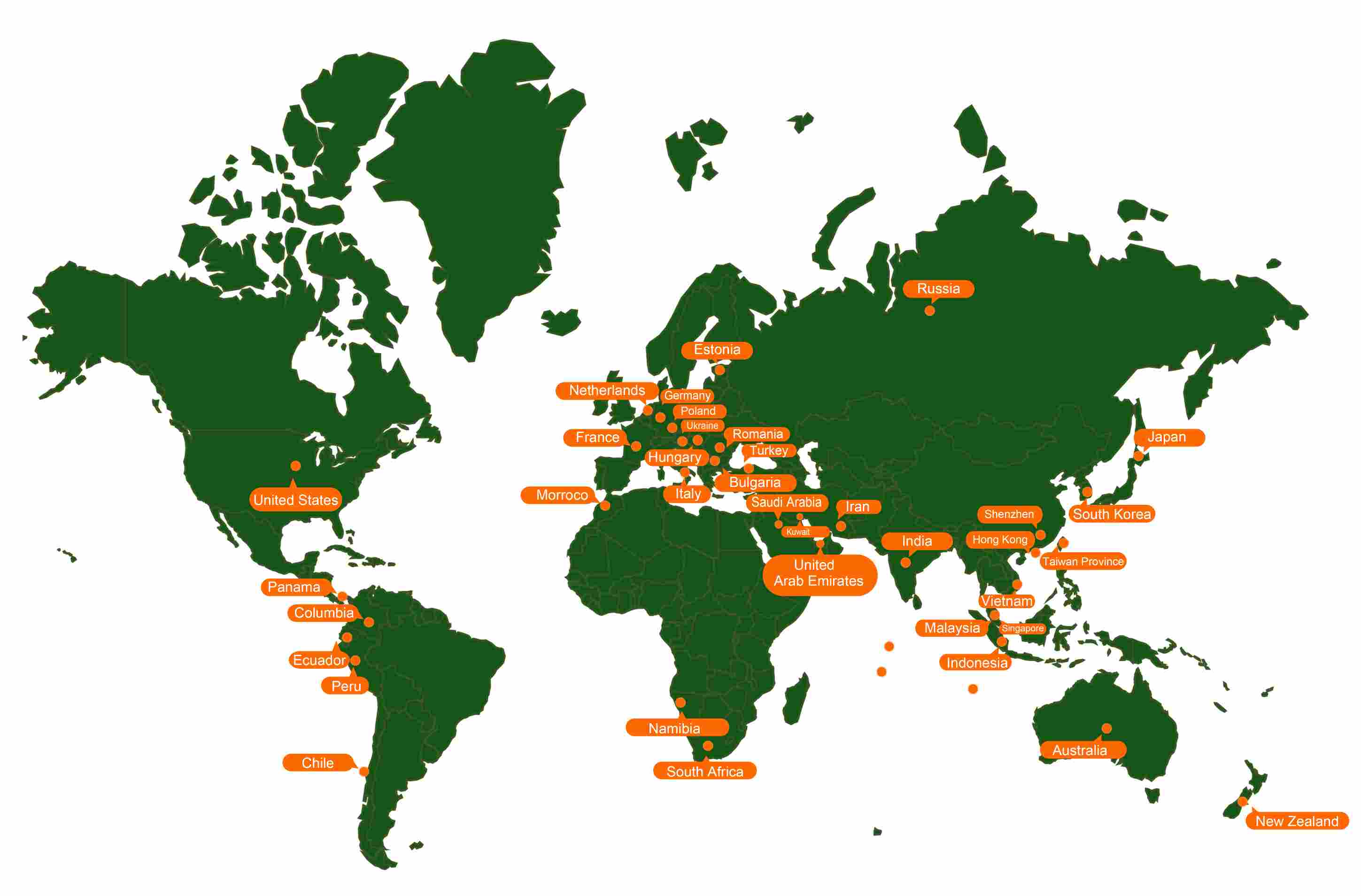
Estamos ubicados en Anhui, China, operamos desde 2011 y vendemos a los mercados del sudeste asiático, América del Norte, Europa del Este y Asia Meridional.
¿Se puede personalizar la potencia o el voltaje nominal?
Sí, personalizar los productos es aceptable.
¿Puede su empresa proporcionar el sistema completo (pila de combustible, producción de hidrógeno, almacenamiento de hidrógeno, sistema de suministro de hidrógeno)?
Sí, podemos proporcionarle los accesorios necesarios.
¿Por qué debería comprarnos a nosotros y no a otros proveedores?
Contamos con un equipo profesional y experimentado de investigación y desarrollo técnico. Capacidad para adaptar sistemas de control, realizar I+D y controlar la calidad. Ventaja de precio gracias a la integración de nuestra cadena de suministro.



 IPv6 RED SOPORTADA